Interior Design Tips Mintpaldecor: A Complete Guide to Creating Beautiful and Comfortable Spaces
Creating a beautiful home is not only about purchasing expensive furniture or choosing fashionable decorations. It is about making every room comfortable, practical, and visually appealing. A well-designed space can improve daily life, create a relaxing atmosphere, and reflect the personality of the people living in it. Whether someone lives in a small apartment, a family house, or a large modern property, thoughtful planning can make a significant difference. Following interior design tips mintpaldecor can help homeowners understand how colors, furniture, lighting, textures, and decorative elements work together. Good interior design does not require a large budget or professional experience. With simple ideas, creative thinking, and careful decisions, anyone can transform an ordinary room into a welcoming and attractive environment.
Understanding the Basics of Interior Design
Interior design is the process of arranging and improving indoor spaces to make them functional, comfortable, and attractive. It combines creativity with practical planning. Every design decision should support the purpose of the room while maintaining a balanced appearance.
The first step is understanding how a space will be used. A living room needs comfortable seating and enough space for movement, while a bedroom should encourage rest and relaxation. A kitchen requires organized storage, suitable lighting, and easy access to essential items.
Before purchasing furniture or decorations, consider the available space, natural light, room dimensions, and personal requirements. Planning these details prevents unnecessary purchases and helps create a consistent design.
Choosing the Right Color Palette
Colors influence the appearance and atmosphere of a room. Light shades such as white, cream, beige, and soft gray can make smaller rooms feel more open. Darker shades, including navy blue, forest green, and charcoal, can add depth and create a comfortable atmosphere.
A balanced color palette usually includes three main elements:
-
A dominant color for walls or larger surfaces.
-
A secondary color for furniture, curtains, or rugs.
-
An accent color for cushions, artwork, and smaller decorations.
Neutral colors are useful because they work with many furniture styles. However, adding a few stronger shades can prevent a room from looking plain.
It is also important to consider natural lighting when selecting paint colors. A shade may look different during the morning, afternoon, and evening. Testing a small sample on the wall before painting the entire room can help avoid disappointing results.
Making Furniture Selection Easier
Furniture is one of the most important parts of interior design. It affects comfort, movement, and the overall appearance of a room. Choosing furniture simply because it looks attractive can create problems when it does not fit the available space.
Measure the room before buying large items. Consider doorways, windows, walking paths, and the distance between different pieces. Furniture should provide enough seating and storage without making the room feel crowded.
For smaller homes, multifunctional furniture can be particularly helpful. Storage beds, folding tables, nesting coffee tables, and sofa beds provide additional usefulness without requiring extra floor space.
Quality is another important consideration. Strong materials, comfortable cushions, and durable finishes can make furniture last longer. Instead of filling a room with many inexpensive items, choose fewer pieces that serve a clear purpose.
Creating a Comfortable Living Room
The living room is often the main gathering place in a home. Family members relax there, welcome visitors, watch television, and spend time together. Therefore, its design should balance comfort, appearance, and functionality.
Start by selecting a suitable seating arrangement. Sofas and chairs should encourage conversation and provide comfortable viewing angles when a television is present. Avoid placing every piece of furniture directly against the walls if the room allows a more balanced arrangement.
A coffee table can create a practical center for the seating area. Add a rug to define the space and introduce texture. Cushions and throws can bring color and warmth without requiring major changes.
Storage is equally important. Shelves, cabinets, and baskets help keep everyday items organized. Keeping unnecessary objects out of sight makes the living room feel cleaner and more relaxing.
Designing a Peaceful Bedroom
A bedroom should be a comfortable personal space where people can rest and recharge. Its design should focus on simplicity, soothing colors, comfortable bedding, and practical organization.
Choose a bed that fits the room and provides enough space to move around. Keep frequently used items within easy reach by using bedside tables. Soft lighting, blackout curtains, and comfortable fabrics can improve the sleeping environment.
Avoid excessive decoration because too many objects can make a bedroom feel distracting. A few meaningful photographs, simple artwork, or indoor plants can provide personality without creating clutter.
Storage solutions also help maintain a peaceful atmosphere. Wardrobes, under-bed storage, and organized drawers make it easier to keep clothing and personal belongings in order.
Improving Kitchen Functionality
A kitchen should be attractive, hygienic, and easy to use. Its layout has a direct effect on cooking, cleaning, and daily household activities.
Keep essential cooking tools near the areas where they are used. Store dishes close to the sink or dishwasher, and organize frequently used ingredients in accessible cabinets. Clear countertops make food preparation easier and give the kitchen a cleaner appearance.
Lighting is especially important in this room. General ceiling lights provide overall brightness, while task lighting helps illuminate preparation areas. Under-cabinet lighting can improve visibility and add a modern touch.
Choose materials that are easy to clean and suitable for regular use. Countertops, cabinet handles, flooring, and backsplashes should combine durability with visual appeal.
Using Lighting to Transform a Space
Lighting can completely change how a room looks and feels. Even beautiful furniture and decorations may appear less attractive when the lighting is poor.
A good lighting plan combines three basic types:
Ambient lighting: This provides general illumination throughout the room. Ceiling fixtures, recessed lights, and chandeliers are common examples.
Task lighting: This supports specific activities such as reading, cooking, studying, or working. Desk lamps and kitchen lights are useful examples.
Accent lighting: This highlights particular features, including artwork, architectural details, shelves, or decorative objects.
Natural light should also be used whenever possible. Keep windows clean, avoid blocking them with large furniture, and select curtains that allow suitable daylight into the room.
Warm lighting can create a cozy atmosphere in bedrooms and living areas, while brighter neutral lighting may be more suitable for kitchens and workspaces.
Adding Texture and Decorative Details
Texture gives a room depth and makes its appearance more interesting. Combining different materials can create a balanced and welcoming environment.
For example, wooden furniture can be paired with soft cushions, woven baskets, cotton curtains, and a textured rug. Glass and metal accessories can introduce a modern contrast.
Decorative details should support the overall design rather than compete for attention. Artwork, mirrors, vases, candles, and framed photographs can make a room feel personal.
Mirrors are particularly useful in smaller spaces because they reflect light and can create an impression of greater openness. Position them carefully to reflect an attractive part of the room.
When choosing accessories, consider their size, color, and placement. A few carefully selected pieces often look better than many unrelated decorations.
Making Small Spaces Look Bigger
Small rooms require thoughtful planning because every available area matters. The right design choices can make a compact space feel more comfortable and organized.
Light wall colors, suitable mirrors, and furniture with exposed legs can create a more open appearance. Avoid oversized furniture that blocks walking paths or makes the room feel crowded.
Vertical storage is another useful solution. Tall shelves, wall-mounted cabinets, and hooks provide additional storage without taking up much floor space.
Choose curtains that hang close to the ceiling to create a sense of height. Keep windows relatively clear and use consistent colors to maintain visual flow.
Another helpful approach is removing unnecessary items. A clean, organized room often feels significantly larger than a room filled with unused furniture and decorations.
Exploring Modern Interior Design Styles
Interior design includes many styles, each offering a different atmosphere and visual identity. Understanding their characteristics makes it easier to select a direction that matches personal preferences.
Modern style: Modern interiors often feature clean lines, simple furniture, neutral colors, and practical layouts.
Minimalist style: Minimalism focuses on essential objects, open spaces, and limited decoration. It encourages people to keep only useful or meaningful items.
Scandinavian style: This approach combines natural materials, light colors, functional furniture, and comfortable textures.
Traditional style: Traditional interiors often include detailed furniture, classic patterns, rich materials, and timeless decorative elements.
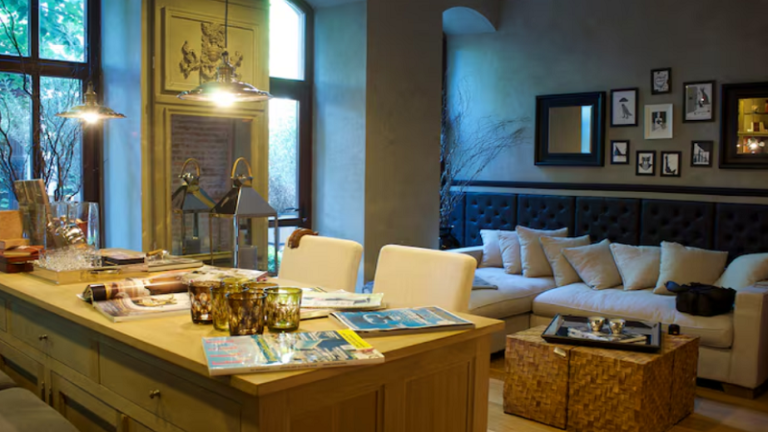
Industrial style: Industrial design uses materials such as exposed brick, metal, concrete, and unfinished wood to create a distinctive appearance.
Bohemian style: Bohemian spaces often combine colorful fabrics, natural textures, plants, artwork, and different decorative influences.
There is no requirement to follow one style completely. Combining compatible elements can create a personal environment that feels natural and comfortable.
Bringing Nature Indoors
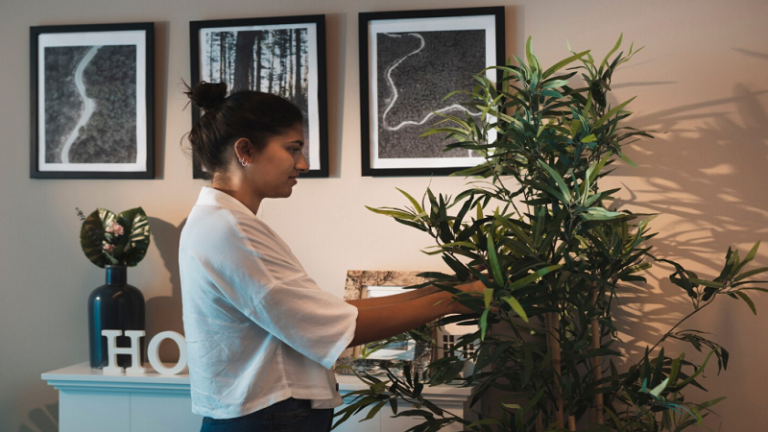
Indoor plants can improve the appearance of a room and introduce a refreshing natural element. Their colors and shapes create visual interest while helping indoor spaces feel more connected to nature.
Before selecting plants, consider available sunlight, room temperature, and maintenance requirements. Some varieties grow well in bright indirect light, while others tolerate lower-light conditions.
Plants can be placed on shelves, tables, windowsills, or suitable floor stands. Hanging planters can also help decorate areas where floor space is limited.
Natural materials such as wood, bamboo, stone, and cotton can strengthen this connection with nature. However, choose materials according to their durability, maintenance needs, and suitability for the room.
Improving Home Storage and Organization
Good organization is essential for maintaining an attractive interior. Even a beautifully decorated home can appear uncomfortable when everyday objects are scattered around.
Begin by identifying items that are no longer useful. Donate, recycle, or dispose of belongings that create unnecessary clutter.
Create designated storage areas for important household items. Use labeled boxes, drawer organizers, baskets, and shelves to make belongings easier to locate.
Entryways benefit from shoe racks, coat hooks, and small storage benches. Bathrooms can use wall-mounted shelves and compact cabinets, while kitchens benefit from drawer dividers and organized pantry containers.
Regular cleaning and simple daily habits can prevent clutter from returning. Keeping frequently used items in convenient places makes organization easier to maintain.
Decorating on a Limited Budget
Beautiful interior design is possible without spending large amounts of money. The key is making thoughtful improvements instead of replacing everything at once.
Rearranging existing furniture is a simple starting point. Changing the position of a sofa, adding a rug, or moving decorative objects can give a room a fresh appearance.
Painting walls is another affordable way to transform an interior. Replacing old cushion covers, updating cabinet handles, and introducing inexpensive artwork can also make noticeable improvements.
Secondhand furniture may offer good value when its condition and quality are checked carefully. Small repairs, fresh finishes, and creative reuse can extend the life of existing items.
A realistic budget should include essential improvements first. Prioritize comfort, safety, and functionality before purchasing decorative accessories.
Understanding the Importance of Interior Design Planning
Planning helps prevent mistakes and ensures that every design element works together. Before starting a project, create a simple list of priorities and establish a realistic budget.
Measure each room and prepare a basic layout. Note the position of doors, windows, electrical outlets, and fixed features. This information makes furniture placement easier.
Collect color samples, fabric ideas, and furniture references before making major purchases. Comparing different options can help identify suitable materials and styles.
Following interior design tips mintpaldecor can also encourage a more organized approach to choosing furniture, improving layouts, and creating attractive combinations.
Remember that a successful design should support everyday activities. A room may look beautiful in photographs, but it must also be comfortable and practical for the people using it.
Avoiding Common Interior Design Mistakes
Some common decorating mistakes can reduce the quality of an otherwise attractive room. Understanding them helps homeowners make better decisions.
One frequent problem is purchasing furniture without measuring the available space. Always check dimensions before buying large items.
Another mistake is using too many colors or decorative patterns. Different shades can work together, but they should have a clear relationship.
Poor lighting is also a common issue. A single ceiling light may not provide enough illumination for every activity. Combining different lighting sources creates a more useful environment.
Ignoring storage needs can lead to clutter. Plan suitable storage before adding decorative elements.
Finally, avoid following every design trend without considering personal needs. Trends change, but comfort, quality, and practical functionality remain important.
Creating a Home That Reflects Your Personality
A home should represent the people who live in it. Personal belongings, meaningful photographs, favorite colors, and carefully selected artwork can make an interior feel unique.
Consider what makes you comfortable and which activities matter most in your daily routine. Someone who enjoys reading may need a quiet reading corner, while a person who works from home may benefit from a dedicated workspace.
Personal touches should be balanced with the overall layout. Display meaningful objects without overcrowding shelves or surfaces.
A home does not need to look identical to a professionally designed room. Its purpose is to provide comfort, support daily life, and create a welcoming environment.
Maintaining a Beautiful Interior Over Time
Interior design is not a one-time activity. Furniture, household needs, and personal preferences can change over time. Regular maintenance helps preserve the appearance and usefulness of every room.
Clean surfaces, maintain furniture, wash fabrics, and repair small problems before they become larger issues. Check lighting fixtures and replace damaged accessories when necessary.
Seasonal updates can also refresh a space. Changing cushion covers, lightweight curtains, bedding, or small decorative objects can introduce a different atmosphere without requiring major spending.
Avoid unnecessary purchases simply because something is fashionable. Choose improvements that offer lasting value and support the way your household functions.
Conclusion
A beautiful home begins with thoughtful choices, practical planning, and an understanding of personal needs. From selecting suitable colors and furniture to improving lighting, organizing storage, and adding natural elements, every detail contributes to the overall atmosphere. Good design does not depend on expensive products or complicated decorating techniques. It develops through creativity, balance, comfort, and consistent attention to detail. Applying interior design tips mintpaldecor can help make decorating decisions easier while encouraging a more organized and attractive living environment. Whether improving one small corner or redesigning an entire house, start with simple changes and build gradually. The best interior is one that looks welcoming, supports everyday activities, and makes everyone feel comfortable and happy at home. See More
Why Interior Design Is Interesting Mintpaldecor
Interior design is an exciting field that combines creativity, comfort, beauty, and practical planning. It is about more than choosing attractive furniture or painting walls in beautiful colors. Interior design focuses on creating spaces that look appealing, feel comfortable, and support the needs of the people who use them. From small apartments to large family homes, thoughtful design can transform ordinary rooms into welcoming and functional environments.
People spend a significant amount of time inside their homes, offices, schools, and other buildings. The way these spaces are arranged can influence their mood, productivity, comfort, and daily routines. A well-designed room can feel peaceful and organized, while a poorly arranged space may feel crowded or uncomfortable.
One reason why interior design is interesting mintpaldecor is that it allows people to express their personalities through colors, furniture, lighting, materials, and decorations. Every room offers an opportunity to explore new ideas and create something unique. Whether someone prefers a modern, traditional, minimalist, or rustic style, interior design provides endless possibilities for personal expression.
1. Interior Design Combines Creativity and Practical Thinking
Interior design is interesting because it requires both imagination and logical decision-making. Designers must think about how a space should look while also considering how people will use it.
For example, a living room should look attractive, but it should also provide enough seating for family members and guests. A kitchen needs an appealing appearance, but its layout must make cooking, cleaning, and storing supplies convenient.
Designers consider several important elements when planning a room:
-
Color: Choosing shades that create the desired atmosphere.
-
Furniture: Selecting pieces that suit the room’s size and purpose.
-
Lighting: Using natural and artificial light effectively.
-
Layout: Arranging furniture to improve movement and comfort.
-
Materials: Choosing suitable fabrics, flooring, wood, and other finishes.
-
Storage: Finding practical ways to keep belongings organized.
Combining these elements requires careful thought and creative problem-solving. A designer may need to find a way to make a small room feel larger or turn an awkward corner into a useful reading area.
This balance between artistic expression and practical solutions makes interior design an engaging activity for beginners and professionals alike.
2. Colors Can Change the Feeling of a Room
Color is one of the most powerful elements of interior design. Different shades can influence how a room appears and the atmosphere it creates.
Light colors, such as white, cream, and pale gray, can make a small room feel brighter and more open. Darker shades, including navy blue, forest green, and charcoal, can create depth and a more intimate atmosphere when used thoughtfully.
Warm colors such as terracotta, soft orange, and warm beige can make a space feel welcoming. Cooler shades, including blue and green, are often used to create a calm and refreshing environment.
However, color choices should also reflect personal preferences, natural lighting, and the room’s purpose. A bright yellow accent wall might suit a creative workspace, while a soft neutral palette may work better for someone who prefers a peaceful bedroom.
Interior design becomes particularly interesting when people experiment with different color combinations. Even small changes, such as adding colorful cushions, changing curtains, or introducing artwork, can refresh a room without requiring a complete renovation.
3. Every Space Can Reflect Personal Style
A home often reflects the personality, interests, and lifestyle of the people who live there. Interior design gives individuals the freedom to create surroundings that feel personal rather than ordinary.
Some people enjoy clean lines, simple furniture, and uncluttered rooms. Others prefer traditional furniture, decorative patterns, and accessories that create a rich, layered appearance. There are also people who enjoy combining different styles to produce a distinctive look.
Personal style can be expressed through many details, including:
-
Family photographs and meaningful artwork.
-
Favorite colors and decorative accessories.
-
Furniture passed down through generations.
-
Handmade decorations and craft items.
-
Books, plants, collections, and travel souvenirs.
-
Fabrics and patterns that reflect individual taste.
These details can make a room feel more meaningful and comfortable. A simple living room can become special when it includes a favorite painting, a handmade rug, or a comfortable chair used for reading.
Good design does not require expensive furniture or luxury decorations. Sometimes, the most interesting spaces are those that combine ordinary objects in thoughtful and creative ways.
4. Small Changes Can Make a Big Difference
Another reason interior design attracts so many people is that improvements do not always require a large budget. Small changes can significantly improve the appearance and functionality of a room.
For example, rearranging furniture can create more walking space and make a living room feel less crowded. Replacing heavy curtains with lighter ones may allow more natural light to enter. Adding mirrors can help reflect light and make certain spaces appear more open.
Other affordable improvements include changing cushion covers, organizing shelves, introducing indoor plants, and displaying artwork.
Before making changes, it is helpful to identify what is not working in the room. Perhaps the lighting is too dim, the furniture blocks movement, or the decorations create visual clutter. Addressing these issues one at a time can produce noticeable results.
This approach makes interior design accessible to renters, homeowners, students, and anyone who wants to improve their surroundings without spending too much money.
5. Lighting Creates Atmosphere and Comfort
Lighting plays a major role in how people experience an interior space. It affects visibility, highlights important features, and contributes to the overall atmosphere of a room.
Natural light is especially valuable because it can make interiors feel brighter and more connected to the outdoors. Keeping windows clear, using suitable curtains, and arranging furniture thoughtfully can help maximize available daylight.
Artificial lighting also serves several purposes. Ceiling lights provide general illumination, desk lamps support focused activities, and floor lamps can create a softer atmosphere in living areas.
A successful lighting plan often combines three types of lighting:
Ambient Lighting
Ambient lighting provides general illumination throughout a room. Ceiling fixtures, recessed lights, and suitable wall lights can help create a comfortable level of brightness.
Task Lighting
Task lighting supports specific activities such as reading, cooking, studying, or working. Desk lamps and under-cabinet kitchen lights are common examples.
Accent Lighting
Accent lighting draws attention to particular features, including artwork, shelves, architectural details, or decorative objects.
Using these lighting layers allows people to adjust a room according to different activities and times of day. It also demonstrates how a relatively simple design choice can completely change the character of a space.
6. Interior Design Improves Everyday Functionality
Beautiful interiors are valuable, but practical spaces are equally important. Good interior design helps people use their rooms more efficiently and comfortably.
In a kitchen, placing frequently used cooking tools near preparation areas can make daily tasks easier. In a bedroom, appropriate storage can reduce clutter and create a more relaxing environment. In a home office, an ergonomic chair, a suitable desk, and good lighting can support comfortable working conditions.
Furniture placement is particularly important in smaller homes. Choosing appropriately sized furniture and maintaining clear walking paths can help prevent a room from feeling overcrowded.
Storage solutions can also make a considerable difference. Under-bed containers, wall-mounted shelves, storage benches, and multifunctional furniture can help organize belongings without occupying too much floor space.
These practical improvements show that interior design is not only about appearance. It is also about understanding people’s needs and creating spaces that support their daily lives.
7. Different Interior Design Styles Offer Endless Ideas
Interior design includes many styles, each with its own characteristics. Exploring these styles can help people discover what they enjoy and understand how different elements work together.
Modern Design
Modern interiors often emphasize clean lines, functional furniture, and a carefully selected color palette. The overall appearance is usually organized and uncluttered.
Minimalist Design
Minimalism focuses on simplicity and intentional choices. It uses fewer objects, practical furniture, and open spaces to create a calm environment.
Traditional Design
Traditional interiors may include classic furniture, detailed woodwork, decorative fabrics, and timeless color combinations. This style often creates a formal and familiar atmosphere.
Scandinavian Design
Scandinavian interiors commonly feature light colors, natural materials, simple shapes, and practical furniture. Comfort and functionality are important parts of this approach.
Industrial Design
Industrial spaces often incorporate exposed brick, metal details, concrete finishes, and materials inspired by factories or warehouses.
Bohemian Design
Bohemian interiors can include colorful textiles, layered patterns, handmade decorations, indoor plants, and objects collected from different places.
Learning about different styles encourages experimentation. People can follow one style closely or combine selected elements to create an interior that suits their preferences.
8. Nature Makes Indoor Spaces More Inviting
Bringing natural elements indoors is another interesting aspect of interior design. Plants, wooden furniture, stone surfaces, natural fabrics, and earthy colors can help create a connection with the outdoors.
Indoor plants can introduce color and texture into a room. Depending on the available light and care requirements, options such as pothos, snake plants, and spider plants may be suitable for different spaces.
Natural materials also provide visual variety. Wood can add warmth, stone can introduce texture, and linen or cotton fabrics can create a softer appearance.
Biophilic design is an approach that emphasizes connections between people and nature. It may involve indoor greenery, views of outdoor spaces, natural daylight, and materials inspired by the natural world.
These elements can make interiors feel more welcoming and visually interesting. However, plant selection and material choices should consider maintenance needs, allergies, pets, and the room’s environmental conditions.
9. Sustainable Design Encourages Responsible Choices
Interior design can also support more responsible consumption. Instead of replacing everything whenever a room feels outdated, people can repair furniture, reuse existing materials, and purchase durable products.
Secondhand furniture is one option for creating attractive interiors while reducing unnecessary waste. An old wooden table may become a useful centerpiece after cleaning, repairing, or refinishing it.
Other sustainable design practices include:
-
Choosing durable furniture that can last for years.
-
Reusing or repurposing suitable household items.
-
Selecting energy-efficient lighting.
-
Making use of natural daylight where practical.
-
Looking for responsibly sourced materials.
-
Avoiding unnecessary decorative purchases.
Sustainable design does not mean sacrificing beauty. Reclaimed wood, handmade objects, natural textures, and vintage furniture can add character to a room.
It also encourages people to think carefully about the long-term value of their choices rather than focusing only on short-lived trends.
10. Interior Design Can Become a Career or Hobby
Interior design offers opportunities for both personal enjoyment and professional development. People who enjoy decorating their homes may discover an interest in learning about space planning, furniture selection, color theory, and materials.
For beginners, simple projects are a useful starting point. They can redesign a bedroom corner, organize a bookshelf, improve a study area, or create a more comfortable living room layout.
Those interested in a professional career can study design principles, develop drawing skills, learn digital design software, and build a portfolio of projects. Communication and budgeting skills are also important because designers need to understand clients’ expectations and work within available resources.
Professional opportunities may include residential design, commercial interiors, furniture planning, home staging, and design consulting. The requirements for entering these fields vary by location and role.
Even without pursuing a career, learning about interior design can help people make more confident decisions about their homes and appreciate the thought behind well-designed spaces.
11. Technology Is Changing Interior Design
Technology has made interior planning more accessible. Digital tools allow people to experiment with room layouts, furniture placement, and color schemes before making physical changes.
Room-planning applications can help users measure spaces and test different arrangements. Some tools provide three-dimensional views, allowing people to understand how furniture and decorative elements might look together.
Virtual visualization tools can also help compare flooring, wall colors, and furniture options. This can reduce uncertainty and help prevent costly mistakes.
However, digital designs should be checked against real measurements, product dimensions, lighting conditions, and practical requirements. A room may look attractive in a computer model but still need adjustments to work comfortably in everyday life.
Technology is useful because it supports creativity and planning, while personal judgment remains essential for creating spaces that feel natural and functional.
Conclusion
Interior design is interesting because it brings together creativity, practical thinking, personal expression, and everyday comfort. It allows people to transform ordinary rooms into spaces that reflect their preferences and support their lifestyles.
From experimenting with colors and lighting to exploring different design styles, there are countless ways to make an interior more attractive and useful. Small improvements can have a meaningful impact, and thoughtful choices do not necessarily require a large budget.
Ultimately, why interior design is interesting mintpaldecor comes down to the opportunities it provides for learning, experimenting, and creating spaces that feel personal. Whether someone is improving a single room or planning an entire home, interior design offers a rewarding way to combine beauty with functionality. See More
Why Interior Design Is Interesting MintPalDecor: Exploring Creativity, Comfort, and Beautiful Living