
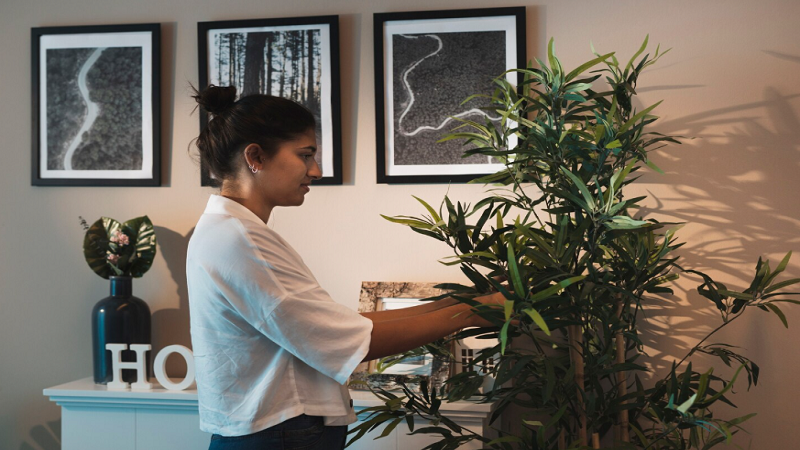
A beautiful home does not necessarily require expensive furniture, luxury accessories, or a complete renovation. Good interior decoration is often about making thoughtful choices that improve the way a room looks, feels, and functions.
Many homeowners struggle with questions such as: Which colors should I choose? How should I arrange furniture? How can I make a small room feel larger? What decorations should I add without creating clutter?
The right approach is to focus on balance, functionality, lighting, color, texture, and personal style. Whether you are decorating a new home or refreshing a room that feels outdated, these interior decoration tips mintpaldecor can help you create a space that feels attractive and comfortable.
1. Start With the Purpose of the Room
Before buying anything, decide how the room will actually be used.
A living room designed mainly for entertaining guests may need a different arrangement from a family room used for watching television, reading, and relaxing. Similarly, a bedroom should prioritize comfort, while a home office needs organization and concentration.
Ask yourself:
- What activities happen in this room?
- How many people normally use it?
- What furniture is essential?
- Where should people walk?
- Does the room need storage?
- What atmosphere do I want to create?
Once you understand the room’s purpose, decorating decisions become much easier.
2. Choose a Color Scheme Before Decorating
Color is one of the easiest ways to change the character of a room.
You do not need to use the same color everywhere. Instead, choose a simple palette that contains a main color, supporting shades, and one or two accent colors.
Consider the Mood You Want
Different colors can create different visual impressions.
- Soft neutrals can create a calm and timeless appearance.
- Warm shades can make a room feel welcoming.
- Cool tones can create a fresh and peaceful atmosphere.
- Darker colors can add drama and depth.
- Earthy shades can create a natural and relaxed feeling.
If you are uncertain, begin with neutral walls and introduce stronger colors through cushions, rugs, artwork, curtains, or decorative objects.
This approach also makes future changes easier because smaller accessories can be replaced without repainting the entire room.
3. Pay Attention to Natural Light
Natural light can dramatically affect how a room looks.
Before selecting paint, curtains, or furniture, observe how sunlight enters the room throughout the day. A color that looks attractive in a store or online may appear completely different under the lighting in your home.
To make better use of natural light:
- Keep windows as unobstructed as possible.
- Choose curtains that allow appropriate daylight.
- Use mirrors to reflect available light.
- Avoid placing bulky furniture directly in front of important windows.
- Consider lighter finishes for rooms with limited sunlight.
A well-lit room can feel more open, fresh, and inviting.
4. Create Layers of Lighting
One ceiling light is rarely enough to make a room feel properly designed.
Effective interior decoration uses different types of lighting for different purposes.
Ambient Lighting
This provides general illumination throughout the room. Ceiling fixtures, recessed lights, and similar options can serve this purpose.
Task Lighting
Task lighting helps with specific activities. Examples include:
- Desk lamps
- Reading lamps
- Kitchen work lights
- Vanity lighting
Accent Lighting
Accent lighting draws attention to selected features such as artwork, shelves, architectural details, or decorative objects.
Combining these layers allows you to change the atmosphere of the room depending on the occasion.
5. Select Furniture According to Room Size
One of the most common decorating mistakes is choosing furniture based only on appearance.
A large sofa may look impressive in a showroom but overwhelm a small living room. Likewise, very small furniture in a large room can make the space feel empty.
Measure the room before purchasing major pieces.
Pay attention to:
- Sofa width
- Table dimensions
- Door and window positions
- Walking space
- Furniture height
- Distance between seating areas
Furniture should allow people to move comfortably through the room. A beautiful room that is difficult to walk through will not feel functional.
6. Avoid Pushing Every Piece Against the Wall
Many people automatically place all furniture against the walls. However, this can sometimes make a room feel disconnected.
Depending on the room, bringing furniture slightly inward can create a more intentional seating arrangement.
For example, in a living room, a sofa and chairs can be positioned around a central coffee table. This creates a natural conversation area while defining the function of the space.
The exact arrangement depends on room size and purpose, so experiment before permanently deciding where everything belongs.
7. Use Rugs to Define Different Areas
A rug can do much more than add softness under your feet.
It can visually connect furniture and establish a specific area within a larger room.
For example, an open-plan living area can use a rug to distinguish the seating zone from the dining or working area.
When choosing a rug, consider:
- Room dimensions
- Furniture size
- Color scheme
- Cleaning requirements
- Texture
- Traffic level
A rug that is too small can make furniture appear disconnected, while an appropriately sized rug can make the arrangement feel unified.
8. Add Texture for Visual Interest
A room can have a beautiful color scheme and still feel boring if everything has the same texture.
Texture introduces depth and makes an interior feel more comfortable.
You can combine materials such as:
- Wood
- Glass
- Metal
- Cotton
- Linen
- Wool
- Ceramic
- Natural fibers
For example, a smooth coffee table can be balanced with a textured rug, soft cushions, woven baskets, and natural decorative elements.
The goal is not to use every material available. Instead, combine a few contrasting textures in a controlled way.
9. Use Decorative Accessories Carefully
Decorative accessories can express personality, but too many can create visual clutter.
Instead of filling every shelf and table, choose pieces that have meaning or contribute to the overall design.
Useful decorative items include:
- Artwork
- Vases
- Decorative bowls
- Books
- Plants
- Mirrors
- Candles
- Sculptural objects
- Framed photographs
Try grouping several smaller objects together rather than scattering them randomly around the room.
An empty area can also be part of good design. Not every surface needs decoration.
10. Bring Nature Indoors
Plants can add life and visual softness to an interior.
If you have enough natural light, consider adding indoor plants that suit your space and maintenance routine. If caring for live plants is difficult, decorative natural materials can provide a similar visual connection with nature.
Wooden elements, woven baskets, stone finishes, and natural fabrics can all help create a warmer environment.
When using plants, think about scale. A large plant can become a focal point in an empty corner, while smaller plants can work well on shelves or tables.
11. Make Small Rooms Feel More Spacious
Small spaces require careful planning, but they do not have to feel uncomfortable.
One of the most useful interior decoration tips mintpaldecor is to focus on visual openness rather than simply adding more decoration.
Try these ideas:
- Use appropriately sized furniture.
- Keep walkways clear.
- Choose lighter visual tones where appropriate.
- Use mirrors strategically.
- Take advantage of vertical storage.
- Avoid excessive patterns.
- Keep decorative items organized.
- Use furniture that serves more than one purpose.
A small room can feel significantly better when every item has a clear purpose.
12. Use Mirrors Strategically
Mirrors can make a room appear brighter and more visually open.
Instead of placing a mirror randomly, think about what it reflects. A mirror facing a window can help reflect natural light, while one positioned toward an attractive feature can emphasize that part of the room.
Large mirrors can make a strong statement, while collections of smaller mirrors can create a decorative arrangement.
However, too many mirrors can make an interior feel overly busy, so use them selectively.
13. Decorate Walls Without Overdoing Them
Blank walls can make a room feel unfinished, but covering every wall can have the opposite effect.
Choose wall decorations according to the room’s size and existing furniture.
Possible options include:
- One large artwork
- A collection of smaller framed pieces
- Decorative mirrors
- Floating shelves
- Textured wall treatments
- Minimal wall clocks
- Personal photography
When creating a gallery wall, maintain some visual consistency through similar frames, colors, spacing, or themes.
14. Think About the Ceiling and Vertical Space
Decorating is not limited to floors and walls.
The upper portion of a room can also influence how spacious or finished it feels.
Curtains hung appropriately can visually emphasize ceiling height. Tall shelving can provide storage while drawing the eye upward.
Lighting fixtures can also become decorative focal points.
Using vertical space is particularly helpful in smaller homes where floor space is limited.
15. Keep Functionality at the Center
A home should not look attractive only in photographs. It should work well for everyday life.
Before adding an item, ask whether it is useful, meaningful, or contributes positively to the room.
For example:
- Use storage baskets to organize frequently used items.
- Choose washable fabrics in busy family areas.
- Keep frequently used objects within easy reach.
- Avoid fragile decorations in high-traffic areas.
- Select furniture that matches your lifestyle.
Good decoration combines appearance with practicality.
16. Create a Focal Point
Every room benefits from something that naturally attracts attention.
A focal point could be:
- A fireplace
- A large artwork
- A statement light fixture
- A beautiful bed
- An accent wall
- A distinctive piece of furniture
- A large window with an attractive view
Once you identify the focal point, arrange other elements so they support rather than compete with it.
This creates a clearer visual hierarchy and makes the room easier to appreciate.
17. Mix Old and New Pieces
A room does not have to look like everything was purchased from the same collection.
Combining older and newer pieces can create a more personal and layered interior.
For example, a modern sofa can work with a traditional wooden table. Contemporary artwork can also complement vintage accessories.
The key is finding connections between pieces through color, material, shape, or proportion.
18. Do Not Follow Trends Blindly
Interior trends can provide inspiration, but not every trend will suit every home.
A design that looks attractive in a large open space may not work in a compact apartment. Similarly, a fashionable color may not suit your existing furniture or lighting.
Instead of copying an entire trend, take individual ideas that fit your personal style.
A timeless foundation with a few replaceable trend-inspired accessories can make decorating easier and more affordable over time.
19. Use the “Less but Better” Approach
More decoration does not automatically mean better decoration.
If a room feels crowded, remove a few items and observe the difference.
Try:
- Clearing unnecessary objects.
- Keeping your favorite decorative pieces.
- Grouping related accessories.
- Leaving some surfaces partially empty.
- Reassessing the room after a few days.
Sometimes the best improvement is simply removing something that does not belong.
20. Personalize Your Interior
The most successful interiors usually reflect the people who live in them.
Include items that tell your story, such as:
- Travel memories
- Family photographs
- Favorite books
- Handmade objects
- Artwork you genuinely enjoy
- Meaningful collections
Personal touches make a home feel lived-in rather than staged.
The objective is not to create a room that looks exactly like a showroom. It is to create a space where you feel comfortable.
21. Refresh Your Home Without a Major Renovation
You do not always need to replace expensive furniture to refresh an interior.
Small changes can produce a noticeable difference.
Consider:
- Rearranging furniture
- Changing cushion covers
- Adding a new rug
- Updating curtains
- Introducing plants
- Replacing outdated lighting
- Reorganizing shelves
- Adding artwork
- Removing unnecessary accessories
These small updates can change the visual balance of a room without requiring a complete redesign.
22. A Practical Decorating Checklist
Before considering a room finished, review the following:
- Does the furniture fit the room?
- Are walking paths comfortable?
- Is there enough lighting?
- Does the color palette feel balanced?
- Are different textures included?
- Is there a clear focal point?
- Is the room too crowded?
- Is storage adequate?
- Do decorative pieces have a purpose?
- Does the room reflect your personality?
- Is the space comfortable for everyday use?
If the answer to most of these questions is yes, your room is likely heading in the right direction.
Conclusion
Good interior decoration is not about buying the most expensive furniture or following every new trend. It is about creating a balanced environment where color, lighting, furniture, texture, storage, and personal details work together.
The best interior decoration tips mintpaldecor focus on practical decisions that improve both appearance and everyday comfort. Start by understanding how you use the room, choose a suitable color palette, arrange furniture carefully, layer your lighting, add texture, and decorate with intention.
Most importantly, give yourself time to experiment. A beautiful interior does not have to be completed in one day. Small, thoughtful changes can gradually transform an ordinary room into a space that feels comfortable, organized, and uniquely yours.
Frequently Asked Questions
1. What is the most important rule of interior decoration?
The most important rule is to balance beauty with functionality. A room should look attractive while remaining comfortable and practical for the people who use it.
2. How can I decorate my home on a limited budget?
Start with what you already own. Rearrange furniture, declutter, change small accessories, improve lighting, add plants, and introduce artwork before investing in major furniture pieces.
3. How do I make a small room look bigger?
Keep pathways clear, choose appropriately sized furniture, use mirrors strategically, make use of vertical space, and avoid excessive decoration or oversized pieces.
4. Should every room have the same interior style?
Not necessarily. Rooms can have their own character while still feeling connected through recurring colors, materials, finishes, or design elements.
5. How can I avoid making my home look cluttered?
Decorate selectively and leave some empty visual space. Group accessories together, use practical storage, and regularly remove items that no longer serve a purpose. See More