
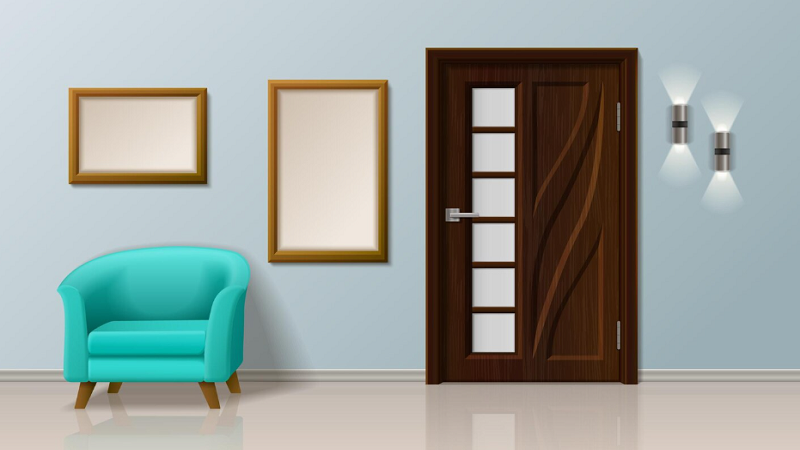
Interior doors are an important part of a home’s overall design. They provide privacy and separate rooms, but they also contribute to the character, comfort, and visual flow of a space. As interior design continues to move toward practical yet attractive choices, homeowners are paying more attention to door styles, materials, colors, glass details, and hardware.
Today, door trends are becoming more flexible. Traditional designs remain popular, while modern homeowners are also choosing minimalist, natural, and statement-making options. The right interior door can make a room feel brighter, larger, warmer, or more sophisticated without requiring a complete renovation.
If you are planning an update, understanding what interior doors are trending mintpaldecor can help you choose a style that works with both current design preferences and the long-term character of your home.
1. Minimalist Flat-Panel Doors
Flat-panel doors continue to be a popular choice for modern interiors. Their simple surfaces have little or no decorative detailing, making them easy to combine with different architectural styles.
These doors work particularly well in contemporary apartments, modern houses, and minimalist interiors. Their clean appearance can make rooms feel organized and uncluttered.
White, soft gray, beige, and natural wood finishes are common choices. Flat-panel doors are also practical because they can be painted or refinished when the surrounding interior is updated.
2. Natural Wood Interior Doors
Natural materials continue to influence interior design, and wood doors are benefiting from this trend. Rather than hiding the natural character of the material, many designs highlight wood grain, knots, and warm tones.
Oak, walnut, ash, and other wood varieties can create a welcoming atmosphere. Lighter woods are especially suitable for Scandinavian and contemporary interiors, while darker woods can add richness to traditional or sophisticated spaces.
Natural wood doors can also complement wood flooring, furniture, cabinets, and other architectural details. The key is to coordinate the tones rather than trying to make every wood surface identical.
3. Black Interior Doors
Black doors have become a recognizable design feature in modern homes. A black interior door can create contrast against light-colored walls and make an otherwise simple hallway or room more visually interesting.
This style works especially well with white walls, natural wood, neutral furniture, and modern hardware. Black doors can also provide a stronger architectural appearance without requiring complicated decoration.
However, dark doors are best used thoughtfully. In smaller or poorly lit spaces, several dark doors may make the area feel visually heavier. Combining them with good lighting and lighter surrounding finishes can create a balanced result.
4. Glass-Paneled Doors
Glass-paneled interior doors are increasingly useful for homeowners who want separation without completely blocking natural light. They can be particularly effective between kitchens, dining areas, home offices, living rooms, and hallways.
Clear glass provides the greatest sense of openness, while frosted or textured glass offers additional privacy. Black or dark-framed glass doors can produce an industrial appearance, while wood-framed versions tend to feel warmer and more traditional.
When selecting glass doors, safety and privacy should be considered alongside appearance. Appropriate interior glass should be selected according to the room and intended use.
5. French-Style Interior Doors
French-style doors remain a classic option because they combine traditional elegance with practical functionality. Usually featuring two door panels and glass sections, they can create a more open connection between rooms.
They are particularly suitable for home offices, dining rooms, libraries, and living areas. French doors can also help introduce additional light into spaces that otherwise feel separated from the rest of the home.
Modern versions may use slim frames and larger glass areas, while traditional designs often include multiple smaller glass panels. This flexibility allows the style to work across different interior themes.
6. Sliding Barn-Style Doors
Sliding barn-style doors continue to appeal to homeowners who want to save floor space while adding a distinctive design element.
Unlike conventional hinged doors, sliding doors move along a track rather than swinging into the room. This can be useful in compact areas such as bathrooms, closets, laundry rooms, and home offices.
Modern barn doors are no longer limited to rustic wood designs. Contemporary versions may feature smooth finishes, painted surfaces, glass panels, or metal details. Choosing a simple design can make the style feel more current.
7. Pocket Doors for Space-Saving Designs
Pocket doors are another practical trend for homes where floor space is limited. Instead of opening into a room or hallway, the door slides into a concealed wall cavity when opened.
This makes them useful for bathrooms, bedrooms, offices, pantries, and other areas where a swinging door could interfere with furniture or movement.
Pocket doors can also create a cleaner visual appearance because the door disappears when open. Their installation can require more planning than a standard door, particularly if an existing wall needs to be modified.
8. Warm Neutral Door Colors
Interior doors do not always have to be bright white. Warm neutral shades are becoming more appealing because they create softer and more relaxed interiors.
Cream, beige, taupe, greige, muted brown, and soft gray can work with a wide range of wall colors and furniture styles. These shades are especially useful when homeowners want a subtle transition between rooms.
Color choice should also consider the existing floor, trim, cabinetry, and natural light. A door color that looks attractive in a showroom may appear different in a darker hallway or a room with strong sunlight.
9. Decorative Door Hardware
Door hardware has become an important part of the overall design. Handles, knobs, hinges, and locks can either blend into the door or provide an intentional contrast.
Matte black hardware remains a popular contemporary choice, while brushed brass and warm metallic finishes can add character to traditional and modern interiors. Stainless steel and chrome continue to work well in clean, practical spaces.
The best approach is to coordinate hardware throughout nearby rooms rather than selecting every handle independently. Consistency can make an entire home feel more professionally designed.
10. Flush Doors for a Clean Appearance
Flush doors have smooth surfaces and minimal decoration, making them suitable for modern and understated interiors. Their simple appearance allows other elements, such as artwork, furniture, lighting, or flooring, to become the visual focus.
They are also versatile enough to work with many architectural styles. A flush door can be painted in a bold color for contrast or finished in a neutral shade for a quieter appearance.
For homeowners considering what interior doors are trending mintpaldecor, flush designs are worth considering because their simplicity is less likely to look outdated as design preferences change.
11. Taller Interior Doors
Another design direction is the use of taller doors. Standard-height doors remain common, but taller designs can make ceilings appear higher and give rooms a more impressive architectural presence.
Taller doors are particularly effective in homes with high ceilings. They can emphasize vertical lines and create a more elegant transition between rooms.
Before choosing this option, homeowners should check ceiling height, structural requirements, existing door openings, and installation costs. A taller door should look proportional to the room rather than simply being selected because it is fashionable.
12. Mixed Materials and Modern Details
Interior doors are also becoming more creative through combinations of materials. Wood may be paired with glass, metal frames may be combined with clear panels, and traditional door shapes may receive modern finishes.
These combinations allow homeowners to create personality without using overly complicated decoration. A door with a simple frame and carefully selected material can become a subtle feature of a room.
The important principle is balance. If the surrounding interior already contains many strong patterns or finishes, a simpler door may be the better choice.
How to Choose the Right Interior Door
Following trends can provide inspiration, but the best interior door is one that suits the home’s practical needs. Start by considering the room where the door will be installed.
Bedrooms and bathrooms generally require privacy, making solid doors a practical choice. Offices may benefit from glass panels if natural light is important. Small spaces can benefit from pocket or sliding doors. Living areas may work well with French-style or glass-paneled designs when visual connection between rooms is desirable.
Material is another important consideration. Solid wood can provide durability and a substantial appearance, while engineered materials may offer easier maintenance and more consistent finishes.
It is also important to consider sound control. Bedrooms, offices, and other private areas may benefit from doors with better acoustic performance.
Matching Doors With the Rest of the Interior
Interior doors should complement the wider design rather than being treated as isolated features. Consider the relationship between doors, walls, floors, trim, cabinets, and furniture.
For a minimalist home, simple doors with clean hardware may create the best result. A traditional interior may benefit from panel details and warmer finishes. Contemporary spaces can use glass, dark colors, natural wood, or streamlined flush designs.
When several rooms are visible from the same hallway, maintaining some consistency is usually helpful. Different door styles can work together, but they should share at least one visual characteristic, such as color, material, panel shape, or hardware finish.
Are Door Trends Worth Following?
Trends can be useful for discovering new ideas, but homeowners should not replace perfectly functional doors simply because a different style has become fashionable. Interior doors can last for many years, so durability, maintenance, privacy, and compatibility with the home should be considered alongside appearance.
The most successful interiors usually combine timeless foundations with a few current details. A simple wood or painted door can remain attractive for years, while updated hardware or a fresh finish can provide a more contemporary look.
When researching what interior doors are trending mintpaldecor, it is therefore useful to look beyond short-term popularity and consider which styles provide lasting value.
Final Thoughts
Interior door design has become more diverse, giving homeowners plenty of options for creating comfortable and attractive spaces. Minimalist flat-panel doors, natural wood, black finishes, glass panels, French-style designs, sliding doors, pocket doors, warm neutrals, and modern hardware are among the styles receiving attention.
The best choice depends on the room, available space, lighting, privacy requirements, architectural style, and personal taste. Instead of selecting a door simply because it is currently popular, focus on finding a design that supports the way the home is actually used.
Ultimately, what interior doors are trending mintpaldecor is only one part of the decision. A well-chosen door should look appropriate today while remaining practical and appealing for years to come. See More