
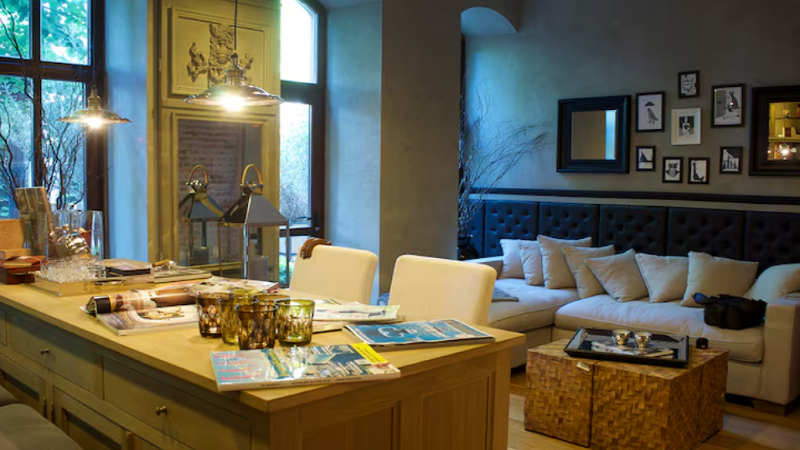
Have you ever entered a beautifully designed room and immediately felt comfortable, inspired, or relaxed? That experience helps explain why interior design is interesting MintPalDecor. Interior design is much more than choosing attractive furniture or matching colors. It is about understanding how people live and creating spaces that are both beautiful and practical.
Every room has a purpose. A bedroom should support rest, a kitchen should make daily tasks easier, and a living room should feel welcoming. The interesting part of interior design is finding the right balance between appearance, comfort, function, personality, and available space.
A good interior designer must think creatively while also solving practical problems. They may need to make a small room feel larger, improve poor lighting, create better storage, or combine different styles without making a space feel confusing.
This combination of creativity and problem-solving is one of the biggest reasons interior design continues to attract homeowners, students, artists, and design enthusiasts.
What Makes Interior Design So Interesting?
Interior design is interesting because it brings together many different ideas in one field. It combines creativity with everyday life.
When designing a space, there is rarely just one perfect answer. The same empty room can be transformed in many different ways depending on:
- The person’s lifestyle
- Available space
- Budget
- Personal preferences
- Lighting conditions
- The purpose of the room
- Existing furniture
- Preferred interior style
For example, one person may want a calm minimalist bedroom with simple furniture and neutral details. Another person may prefer a colorful space filled with artwork, patterns, and decorative accessories.
Both spaces can work well when they are designed around the needs of the people using them.
This freedom to explore different ideas makes interior design a constantly evolving and exciting subject.
Interior Design Turns Empty Spaces Into Meaningful Places
One reason why interior design is interesting MintPalDecor is that it can completely change how a space feels.
Imagine an empty room with plain walls, no furniture, and poor lighting. At first, it may seem unremarkable. However, thoughtful design can transform it into a comfortable and useful environment.
A designer may improve the room by adding:
- Better furniture placement
- Appropriate lighting
- Functional storage
- Comfortable seating
- Wall colors that suit the mood
- Curtains or window treatments
- Rugs and textiles
- Personal decorative elements
Each choice contributes to the final experience.
For instance, a small living room can feel crowded when oversized furniture blocks movement. By choosing furniture with suitable proportions and arranging it carefully, the same room may feel more open and comfortable.
This ability to transform ordinary spaces is one of the most satisfying parts of interior design.
Creativity Has No Single Formula
Interior design gives people an opportunity to express creativity in practical ways.
Painting is creative. Fashion is creative. Photography is creative. Interior design is especially interesting because creativity becomes part of a space people use every day.
A designer can experiment with:
Color Combinations
Colors can influence the overall character of a room. Soft tones may create a peaceful feeling, while stronger colors can add energy and personality.
The goal is not simply to choose a trendy color. It is to understand whether the combination works with the lighting, furniture, room size, and desired atmosphere.
Materials and Textures
A room can become more visually interesting through different textures.
For example, a design may combine:
- Smooth wood
- Soft fabrics
- Natural stone
- Metal details
- Textured rugs
- Glass surfaces
Using a variety of materials can create depth and prevent a room from looking flat or boring.
Furniture and Layout
Furniture selection is another creative challenge. The furniture must look appropriate, but it should also support the way people actually use the room.
A beautiful chair is less useful if it makes the room difficult to move around in.
This is where creativity and practical thinking meet.
Interior Design Is Also About Problem-Solving
Many people think interior design is mainly about decoration. Decoration is certainly part of it, but good design often begins with solving a problem.
A homeowner may ask questions such as:
- How can I make my small bedroom feel bigger?
- Where should I place furniture in an awkward room?
- How can I create more storage?
- Why does my room feel dark?
- How can I make an open-plan area feel organized?
- What can I do with an unused corner?
Interior design provides opportunities to find creative solutions to these everyday challenges.
Example: A Small Apartment
Suppose someone lives in a compact apartment with limited storage.
Instead of filling the room with large furniture, they could consider:
- Multi-purpose furniture
- Vertical shelving
- Storage under the bed
- Wall-mounted lighting
- Furniture with built-in storage
- A layout that keeps walkways clear
The challenge makes the design process interesting because limitations often encourage smarter ideas.
Every Project Can Be Different
Another reason interior design remains fascinating is that every home and project can be different.
One project may involve a modern apartment, while another focuses on a traditional family home. A designer might work with a spacious living room one day and a narrow studio apartment the next.
Different projects bring different questions.
For example:
A Bedroom Project
The main focus may be:
- Comfort
- Relaxation
- Privacy
- Lighting
- Storage
A Home Office Project
The focus may shift toward:
- Productivity
- Organization
- Comfortable seating
- Desk placement
- Reducing distractions
A Family Living Room
The priorities could include:
- Comfortable seating
- Easy movement
- Durable materials
- Space for conversation
- A welcoming atmosphere
Because the needs change from project to project, interior design rarely feels exactly the same.
Interior Design Reflects Personality
Homes often tell stories about the people who live in them.
A person’s interests, habits, memories, and preferences can influence the design of their space. Some people prefer clean and simple interiors. Others enjoy vintage furniture, bold artwork, plants, books, or colorful accessories.
This personal aspect makes interior design more interesting than simply following a fixed set of rules.
A well-designed home does not need to look identical to every other home. Instead, it can reflect the people using it.
For example, a music lover may create space to display instruments or records. Someone who enjoys reading may design a comfortable reading corner. A family may prioritize a large dining area where everyone can spend time together.
Good interior design considers these real-life details.
The Balance Between Beauty and Function Is a Fascinating Challenge
One of the most important lessons in design is that something can look beautiful but still fail to work well.
For this reason, designers often need to balance two major goals:
Beauty: How does the space look and feel?
Function: How easily can people use the space?
The best interiors usually consider both.
For example, a kitchen should look appealing, but it should also provide enough practical space for everyday activities. A living room may contain attractive furniture, but the layout should still allow people to move comfortably.
Finding this balance is an important part of why interior design is interesting MintPalDecor.
It requires observation, planning, imagination, and attention to detail.
Interior Design Can Improve Everyday Living
Interior design matters because people spend a large part of their lives inside homes and other indoor spaces.
The arrangement of a room can affect everyday experiences.
A well-organized entryway may make leaving home easier. Better lighting may make a workspace more comfortable. Smart storage may reduce visible clutter. A comfortable bedroom layout may create a more peaceful environment.
This does not mean every home needs expensive furniture or major renovation.
Sometimes small changes can make a noticeable difference.
Simple Design Improvements to Try
You can make an existing room more enjoyable by:
- Removing unnecessary clutter
- Improving the position of furniture
- Choosing lighting for different activities
- Adding storage where it is genuinely needed
- Creating a clear purpose for unused areas
- Using accessories carefully instead of overcrowding the room
- Adding personal elements that make the space feel like home
The interesting part is observing how relatively simple decisions can change the overall experience of a room.
Interior Design Constantly Evolves
Interior design is not a completely fixed subject. People’s lifestyles and preferences change over time.
For example, changes in the way people work, relax, entertain guests, or use technology can influence what they want from their homes.
However, an interesting approach to design is not simply copying every new trend.
A more useful question is:
Does this design choice work for the people who will actually use the space?
Trends can provide inspiration, but a functional and personal design often remains more valuable than following a style simply because it is currently popular.
This creates an ongoing learning process. People interested in design can explore new ideas while still understanding timeless principles such as proportion, balance, comfort, and functionality.
You Can Learn Interior Design by Observing Everyday Spaces
You do not have to be a professional to find interior design interesting.
One of the easiest ways to develop an understanding of design is to observe spaces around you.
When you enter a room, ask yourself:
- What is the first thing I notice?
- Does the room feel comfortable?
- Is the furniture arranged logically?
- Is there enough light?
- Does the room feel too empty or too crowded?
- Are the colors working together?
- Is the available space being used effectively?
- What would I change?
These questions help you understand the relationship between design decisions and the way a space feels.
Over time, you may begin noticing details that previously seemed unimportant.
Practical Tips for Making Interior Design More Enjoyable
If you want to explore interior design yourself, start with small projects.
1. Choose One Room at a Time
Trying to redesign an entire home at once can become overwhelming. Begin with one space, such as a bedroom or living room.
2. Understand the Room’s Purpose
Before choosing colors or accessories, think about how the room needs to function.
3. Create a Simple Plan
Measure the space and consider where major furniture pieces should go before making changes.
4. Prioritize Comfort
A beautiful room should still be pleasant to use every day.
5. Add Personality Slowly
You do not need to fill every empty area. Add artwork, plants, books, or decorative pieces that have meaning to you.
6. Learn From What Does Not Work
Not every design decision will feel right immediately. Experimenting and adjusting is part of the creative process.
Why Is Interior Design Interesting to Different Types of People?
Interior design can appeal to people for different reasons.
For Creative People
It offers opportunities to work with color, texture, style, and visual composition.
For Practical Thinkers
It involves planning, organizing, measuring, and solving space-related problems.
For Homeowners
It can help create a more comfortable and personal living environment.
For Students
It combines artistic ideas with practical knowledge and real-world projects.
For People Who Enjoy Lifestyle Content
It provides endless inspiration through homes, rooms, furniture arrangements, and changing design ideas.
This wide appeal is another reason why interior design is interesting MintPalDecor as a topic. It is connected to both imagination and everyday life.
Conclusion
So, why is interior design so interesting? The answer is that it brings together creativity, personality, functionality, and problem-solving.
It allows people to look at an ordinary room and imagine what it could become. A successful design is not only about making a space look impressive. It is about understanding the people who use that space and creating an environment that supports their daily lives.
Whether you enjoy choosing colors, rearranging furniture, solving storage problems, or simply exploring beautiful spaces, interior design offers something to discover. Every room presents a new challenge, and even small changes can create a meaningful difference.
That combination of imagination and practical impact is what makes interior design such a fascinating subject.
FAQs
1. Why is interior design considered interesting?
Interior design is interesting because it combines creativity with practical problem-solving. It involves improving the appearance, comfort, function, and personality of a space.
2. Is interior design only about decorating a room?
No. Decoration is one part of interior design, but the subject also includes space planning, furniture layout, lighting, storage, functionality, and understanding how people use a room.
3. Why is creativity important in interior design?
Creativity helps designers find unique ways to combine colors, materials, furniture, and layouts. It also helps solve problems when a space has limitations such as a small size or awkward shape.
4. Can I learn about interior design without being a professional?
Yes. You can begin by observing rooms, studying layouts, experimenting with your own space, and learning how color, lighting, furniture, and storage affect everyday living.
5. What is the most important part of good interior design?
A good design usually balances beauty and functionality. The space should reflect personal style while remaining comfortable, practical, and suitable for its intended purpose. See More