
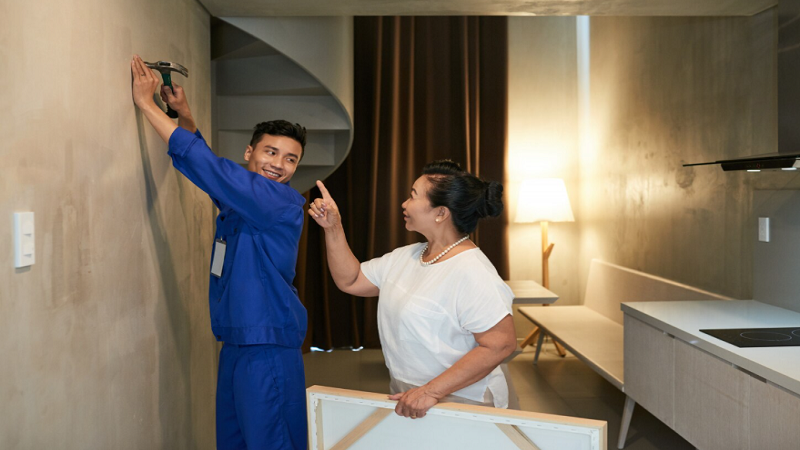
Upgrading a home does not always require a complete renovation. Small, thoughtful improvements can make rooms more comfortable, attractive, functional, and energy-efficient. Whether you are preparing a property for the future, improving your everyday living experience, or simply giving your surroundings a fresh appearance, the right upgrades can make a noticeable difference.
The best home improvements are usually those that combine appearance with practical benefits. A fresh coat of paint, better lighting, improved storage, updated fixtures, or an energy-efficient appliance can change the way a home feels without requiring a massive budget.
This guide explores useful home upgrades mintpalment ideas that can help homeowners improve different areas of their property while keeping comfort, functionality, and long-term value in mind.
1. Start With a Home Improvement Plan
Before beginning any project, create a simple plan. Walk through each room and identify what needs improvement. Look for areas that are outdated, damaged, uncomfortable, or difficult to use.
Make a list and divide projects into three categories:
- Essential repairs
- Functional improvements
- Decorative upgrades
Essential repairs should normally receive priority. Problems such as water leaks, damaged electrical components, broken windows, or structural concerns should be addressed before cosmetic changes.
Once important repairs are handled, you can focus on improvements that make the home more comfortable and visually appealing.
2. Refresh the Walls With Paint
Painting is one of the simplest ways to transform an interior. A new color can make a room appear brighter, larger, warmer, or more modern.
Neutral shades such as white, cream, beige, soft gray, and light taupe are versatile choices. They can create a calm environment and work well with different furniture styles.
For homeowners who prefer more personality, an accent wall can introduce color without overwhelming the entire room. Deep green, navy, muted blue, warm terracotta, or earthy tones can create an interesting focal point.
When selecting paint, consider the amount of natural light in the room. Dark colors can work beautifully in well-lit spaces, while lighter shades can help smaller or darker rooms feel more open.
3. Improve Home Lighting
Lighting has a major effect on how a home looks and feels. A room with poor lighting can seem dull even when its furniture and decoration are attractive.
Consider using several types of lighting instead of relying on one central fixture. Ambient lighting provides general illumination, task lighting helps with activities such as reading or cooking, and accent lighting highlights decorative features.
Replacing outdated light fixtures can also give a room a more modern appearance. Energy-efficient LED bulbs are another practical option because they generally use less electricity than traditional incandescent bulbs.
Natural light should also be maximized. Keep windows clean and avoid blocking them with heavy furniture or unnecessary coverings.
4. Upgrade the Kitchen
The kitchen is one of the most frequently used areas of a home, so even modest improvements can have a noticeable effect.
If a complete kitchen renovation is outside your budget, consider smaller changes. Cabinet handles, faucets, lighting, backsplashes, and storage solutions can all be updated without replacing the entire kitchen.
Painting or refinishing cabinets can also change their appearance. Open shelves can provide convenient storage while creating space for attractive dishes, plants, or decorative items.
Improving organization is equally important. Drawer dividers, pull-out shelves, spice organizers, and vertical storage can make everyday cooking easier.
5. Make the Bathroom More Functional
Bathrooms can benefit from both practical and decorative improvements. Replacing an old faucet, showerhead, mirror, or light fixture can create a fresher appearance.
Storage is another important consideration. Wall-mounted shelves, medicine cabinets, baskets, and under-sink organizers can help reduce clutter.
For a larger improvement, consider updating worn flooring or replacing an outdated vanity. Water-efficient fixtures may also help reduce water consumption while maintaining everyday convenience.
Good ventilation should not be overlooked. Proper airflow can help manage moisture and reduce the chance of mold and unpleasant odors.
6. Improve Storage Throughout the Home
Clutter can make even a beautiful home feel uncomfortable. Better storage can therefore be one of the most useful home upgrades mintpalment homeowners can consider.
Look for unused spaces that could provide additional storage. Areas beneath stairs, the backs of doors, corners, and vertical wall space can often be used more effectively.
Built-in shelves can provide a clean appearance, while baskets and storage boxes offer flexible solutions. In bedrooms, closet organizers can make clothing and accessories easier to manage.
The goal is not simply to add more storage but to make frequently used items easier to find and return to their proper places.
7. Upgrade Doors and Hardware
Interior doors and hardware are often overlooked, but they can influence the overall appearance of a home.
Replacing old door handles with modern designs can provide a subtle update. Cabinet knobs, drawer pulls, hinges, and other hardware can also be coordinated to create a more consistent style.
If interior doors are damaged or outdated, replacing them may significantly improve the appearance of a hallway or room. Different door styles can also influence the character of an interior, from traditional panel doors to clean, modern designs.
Choose hardware and door styles that complement the existing architecture rather than following a trend that may quickly become outdated.
8. Improve Flooring
Flooring receives a lot of daily wear, so damaged or outdated floors can affect both appearance and comfort.
If the existing flooring is still in good condition, professional cleaning may be enough to refresh it. Hardwood floors may benefit from refinishing, while carpets can often be improved through deep cleaning.
For replacement projects, consider durability as well as appearance. Different areas of a home have different requirements. Kitchens and bathrooms, for example, need materials that can handle moisture and frequent cleaning.
Area rugs can also provide an affordable way to change the appearance of a room while adding warmth and comfort.
9. Make the Home More Energy Efficient
Energy-efficient improvements can increase comfort while potentially reducing household energy use.
Start with simple measures such as sealing drafts around doors and windows. Weatherstripping and caulking can help prevent unwanted air movement.
Energy-efficient appliances, LED lighting, programmable thermostats, and improved insulation are other options to consider. Window treatments can also help manage indoor temperatures by reducing excessive heat from sunlight or preventing heat loss during colder weather.
Before making a major energy upgrade, determine where your home is losing the most energy. This can help you spend money where it can provide the greatest practical benefit.
10. Improve Outdoor Areas
Home improvements do not have to stop at the front door. Outdoor spaces can become useful extensions of the living area.
A clean entrance, maintained lawn, potted plants, outdoor lighting, or a comfortable seating area can improve the overall appearance of a property.
For larger outdoor spaces, consider creating clearly defined areas for relaxing, dining, gardening, or entertaining. Even a small balcony can become more inviting with suitable furniture, plants, and lighting.
Regular maintenance is just as important as decorative improvements. Clean pathways, maintained plants, and repaired exterior surfaces can keep outdoor areas looking attractive.
11. Focus on Safety and Maintenance
Some of the most important home upgrades mintpalment ideas are not purely decorative. Safety and maintenance should always be part of a home improvement plan.
Check smoke detectors and carbon monoxide detectors regularly. Inspect electrical outlets, plumbing fixtures, stairs, railings, and exterior walkways for potential problems.
Look for signs of water damage around ceilings, walls, windows, and under sinks. Small maintenance issues can become more expensive if ignored for too long.
Keeping gutters clean, checking the roof, maintaining heating and cooling equipment, and repairing small defects promptly can help protect the property over time.
12. Choose Improvements According to Your Budget
A successful upgrade does not have to be expensive. The key is to prioritize projects according to their importance and available budget.
Create a realistic spending limit before purchasing materials. Compare prices and consider whether a project requires professional help or can safely be completed as a DIY task.
It is often better to complete a few well-planned improvements than to start many projects and leave them unfinished.
A useful approach is to divide your budget between repairs, functional improvements, and decorative changes. This creates a balance between immediate needs and long-term goals.
13. Think About Long-Term Benefits
When considering home upgrades mintpalment, look beyond the immediate visual impact. Ask how an improvement will affect daily life several months or years from now.
Durable materials, practical storage, energy efficiency, easy maintenance, and timeless designs can provide lasting benefits.
Trends can be useful for inspiration, but not every popular style is suitable for every home. Choose improvements that match the property’s architecture and your personal needs.
Conclusion
Home improvement is about more than making a property look attractive. The right upgrades can improve comfort, organization, efficiency, safety, and everyday convenience.
From painting walls and improving lighting to upgrading kitchens, bathrooms, flooring, storage, and outdoor spaces, there are options for almost every budget. Home upgrades mintpalment can be approached gradually, allowing homeowners to make meaningful changes without taking on an overwhelming renovation.
The most successful projects usually begin with careful planning. Identify the areas that need attention, establish a budget, prioritize essential repairs, and then select improvements that provide practical and visual benefits. With thoughtful decisions and regular maintenance, even small changes can make a home feel noticeably better. See More